River Health Forum calls for collective action: Stratford Boat Club steps up the pace

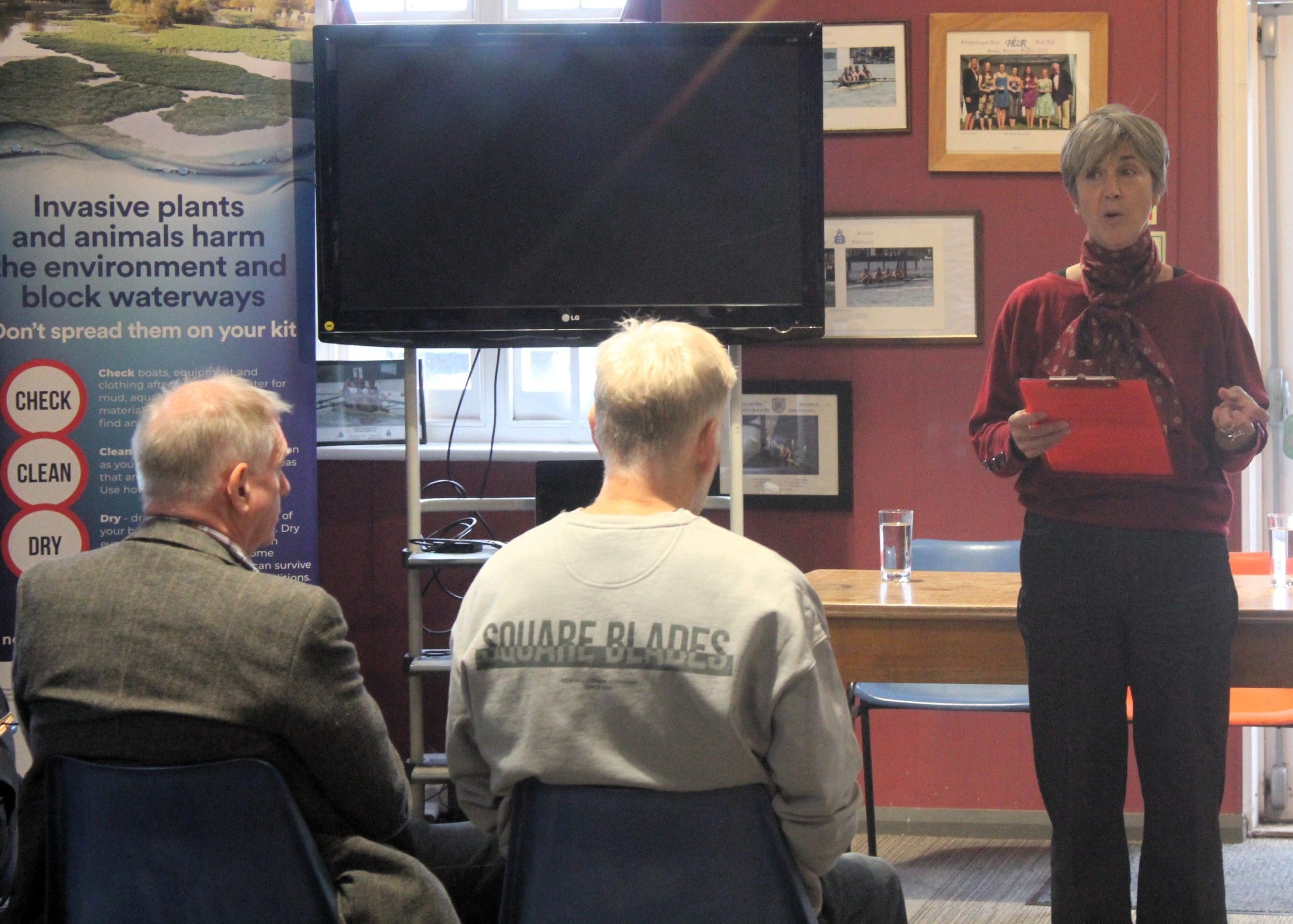
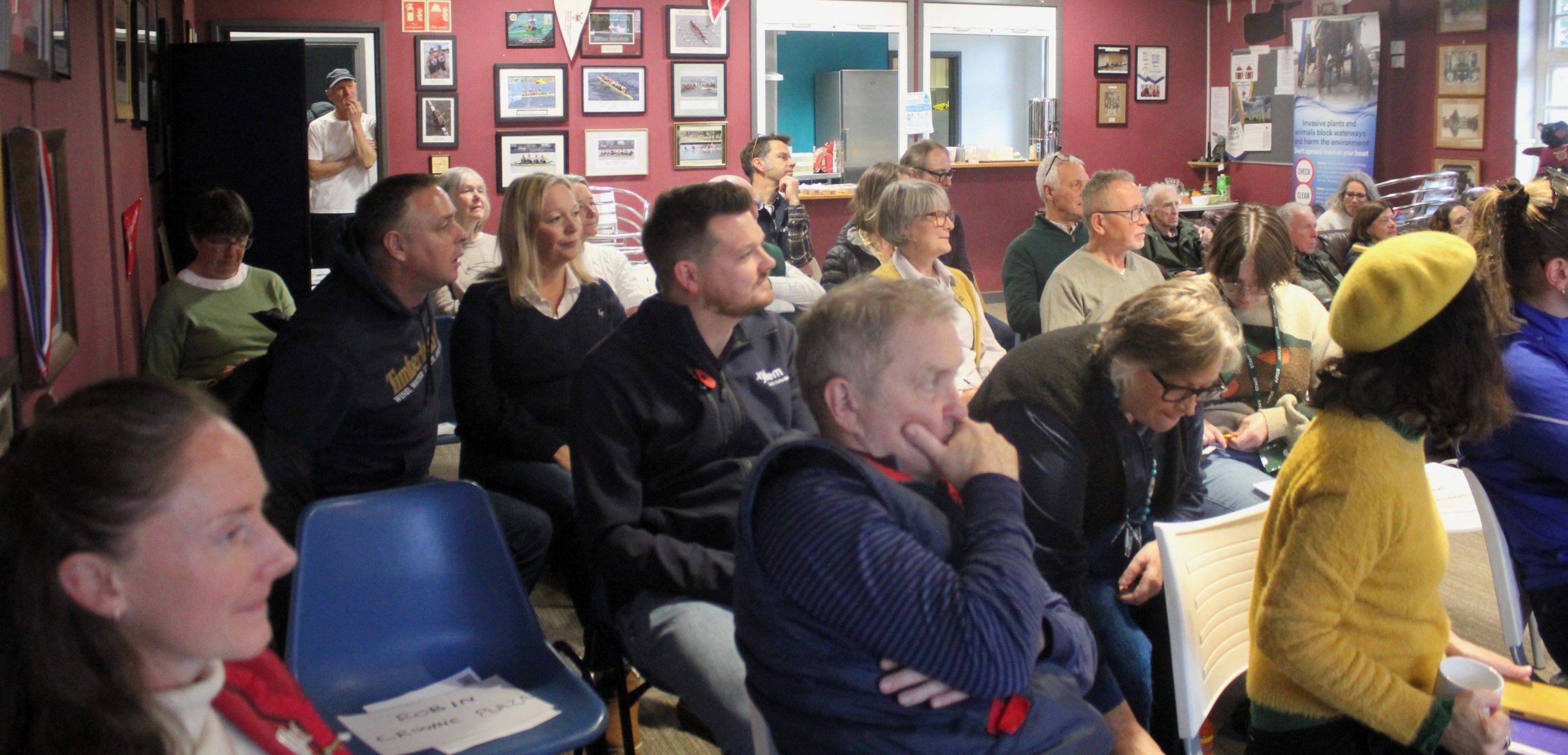
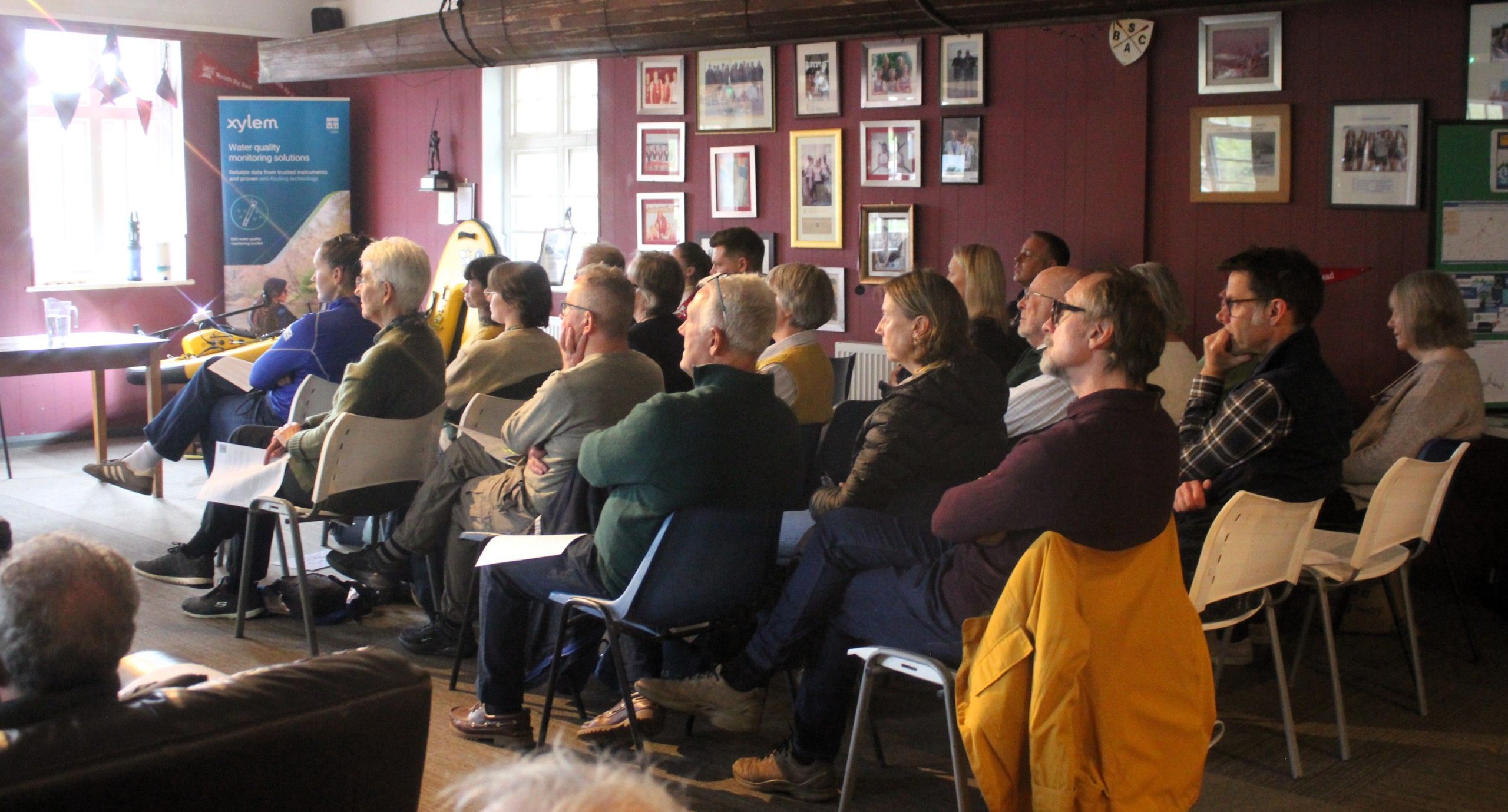
More than forty representatives from local and regional river based organisations gathered at Stratford upon Avon Boat Club recently to explore how science, technology and community action can help improve the health of the River Avon.

The Warwickshire Avon River Health Forum brought together speakers with expertise in freshwater ecology, water quality data, monitoring technology and community led river protection. Their presentations highlighted the need for better evidence, coordinated investigation and practical action to protect the river for wildlife and everyone who values it.
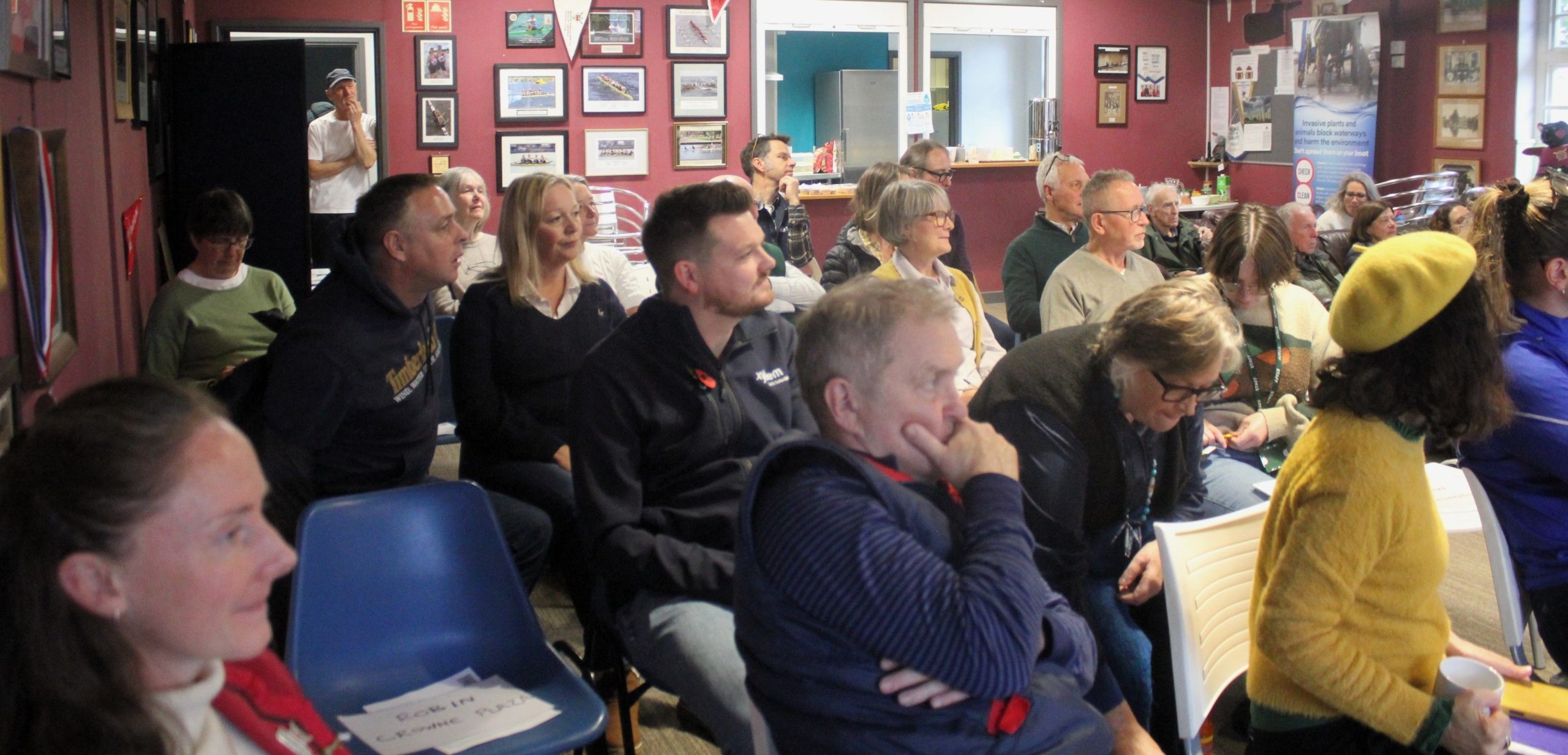
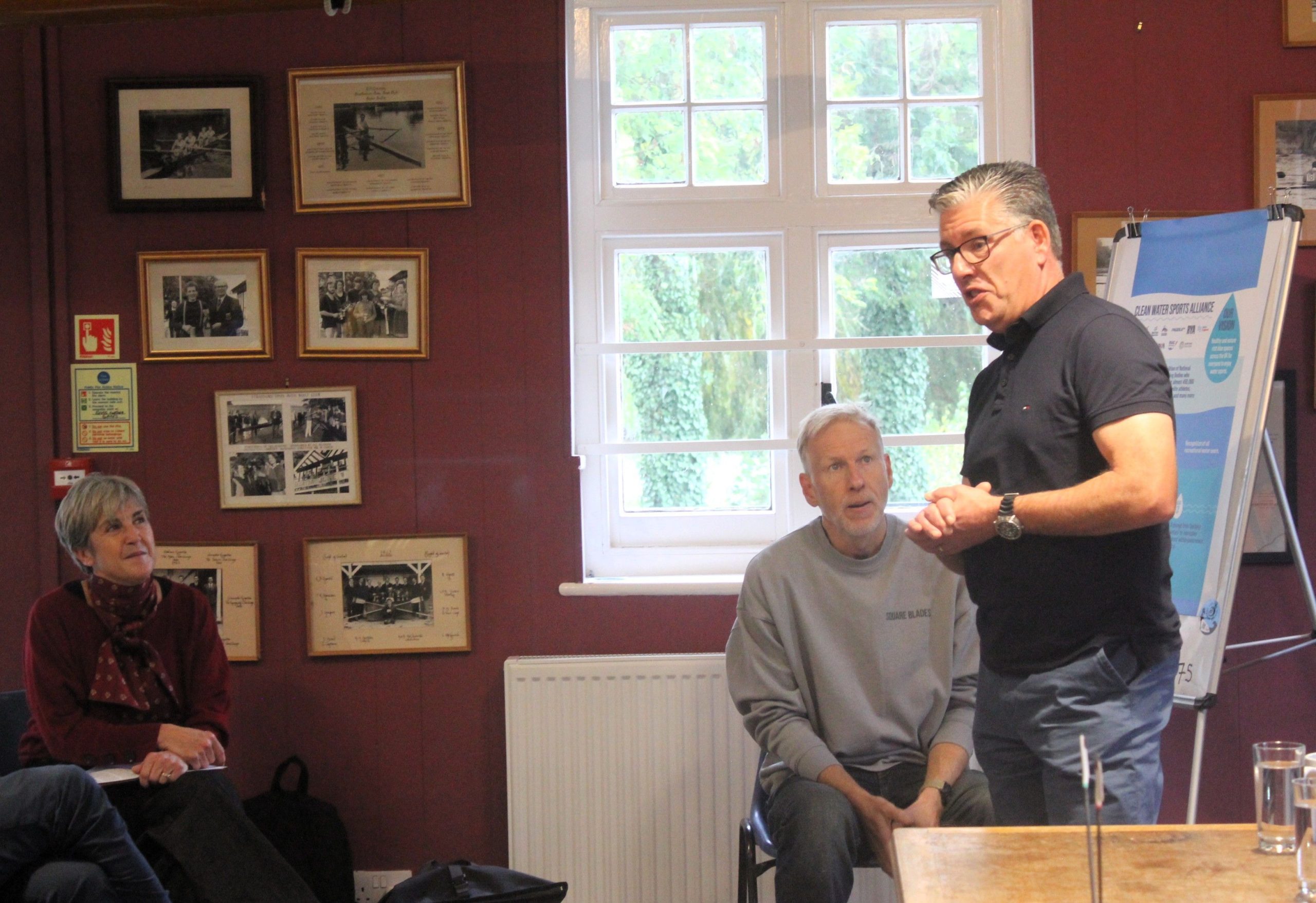
Also amongst the audience were Manuela Perteghella MP; Susan Juned, Leader of Stratford on Avon District Council and Chair of its Climate Change Panel; Esme Booth OLY; and Mark Dewdney, Stratford Boat Club’s Head Adaptive Coach.

Mark Barrow, underwater freshwater filmmaker with Beneath British Waters, shared how fish populations in rivers he has filmed have declined dramatically over recent decades. His film ‘Beneath the Oars’ explores the hidden underwater world of the Thames at Henley, reminding audiences that a river’s surface can conceal significant ecological changes.
Sports data scientist and SafeAvon volunteer Freddie Wilson presented water quality data collected at two sites in Stratford upon Avon, alongside a case study from Royal Leamington Spa Canoe Club. Freddie explained that, although both Stratford sites would be classified as poor, if they were designated bathing waters, their 90th and 95th percentile readings for E. coli and enterococci are among the highest on the Avon and Leam. This suggests that average bacterial levels are high, spikes are particularly pronounced, or both. Local citizen science is demonstrating how consistent testing and analysis can identify patterns in these spikes and help guide further investigation into their possible sources.
Colin Maltby, River Insight and Improvement Manager at Severn Trent, discussed water quality information, investment in river improvements and the development of continuous monitoring under Section 82 of the Environment Act 2021. Stratford upon Avon Boat Club is calling for continuous water quality monitoring at the Old Bathing Place to build a clearer picture of conditions at this popular riverside location.
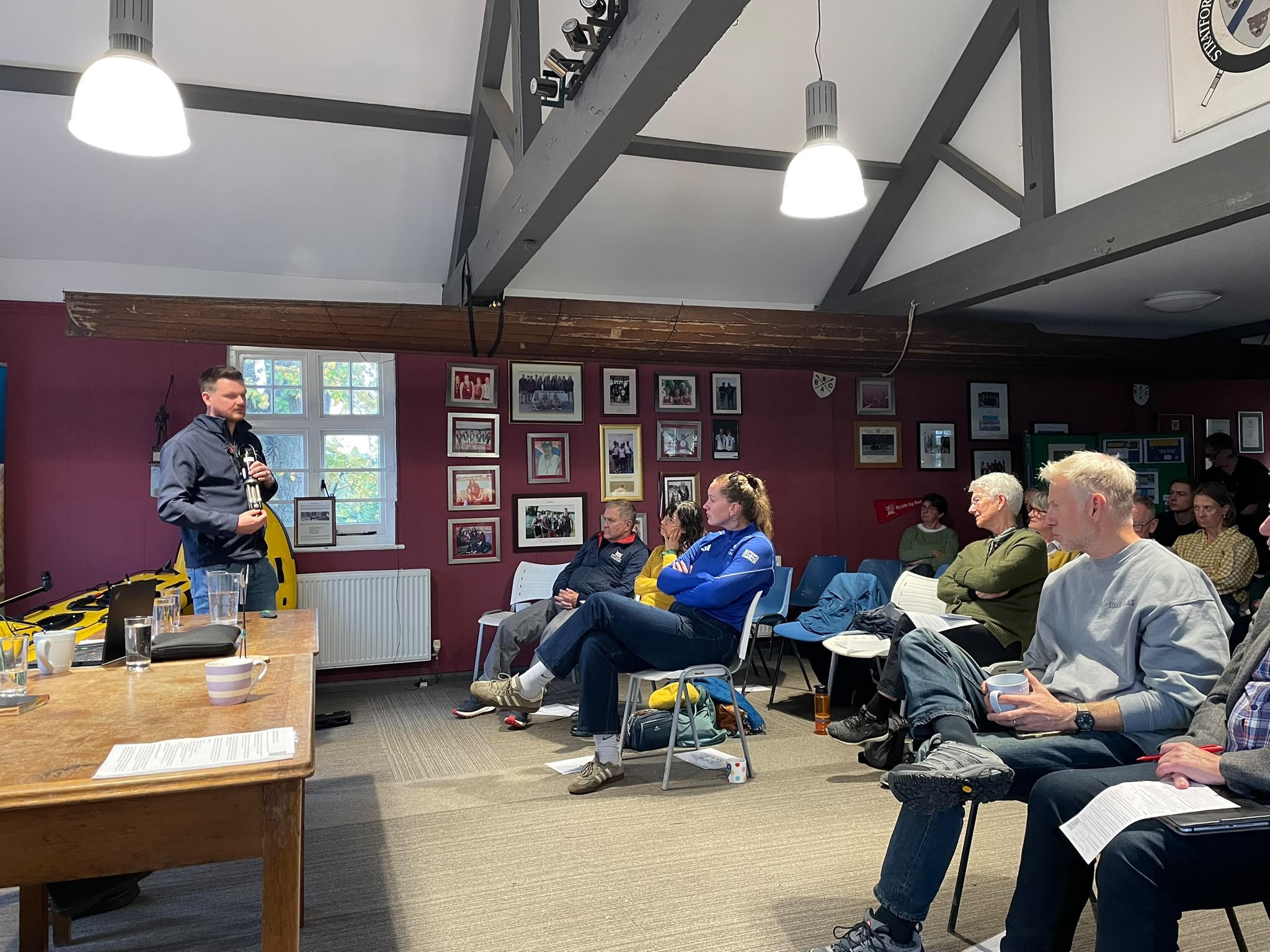
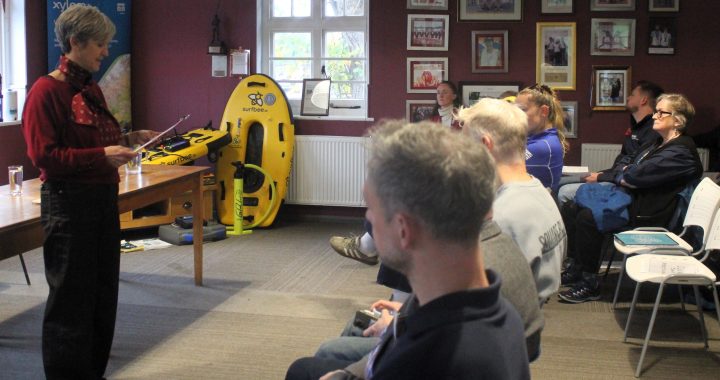
James Chapman, UK Business Development Manager – Environmental Solutions at Xylem Water Solutions UK Ltd, demonstrated how Surfbee, a remotely controlled uncrewed surface vehicle, can map water quality in detail and help investigate changes along a river. Stratford Boat Club is working with James to bring the Surfbee back to the Avon to help identify potential pollution sources.

Caroline Roper, from the University of Birmingham’s River Champions programme, explained how they train and equip volunteers to gather consistent river-monitoring data to support discussions with the Environment Agency and other stakeholders. Stratford Boat Club hopes Stratford on Avon District Council will explore joining the regional programme, enabling local volunteers to contribute to a wider picture of river health.
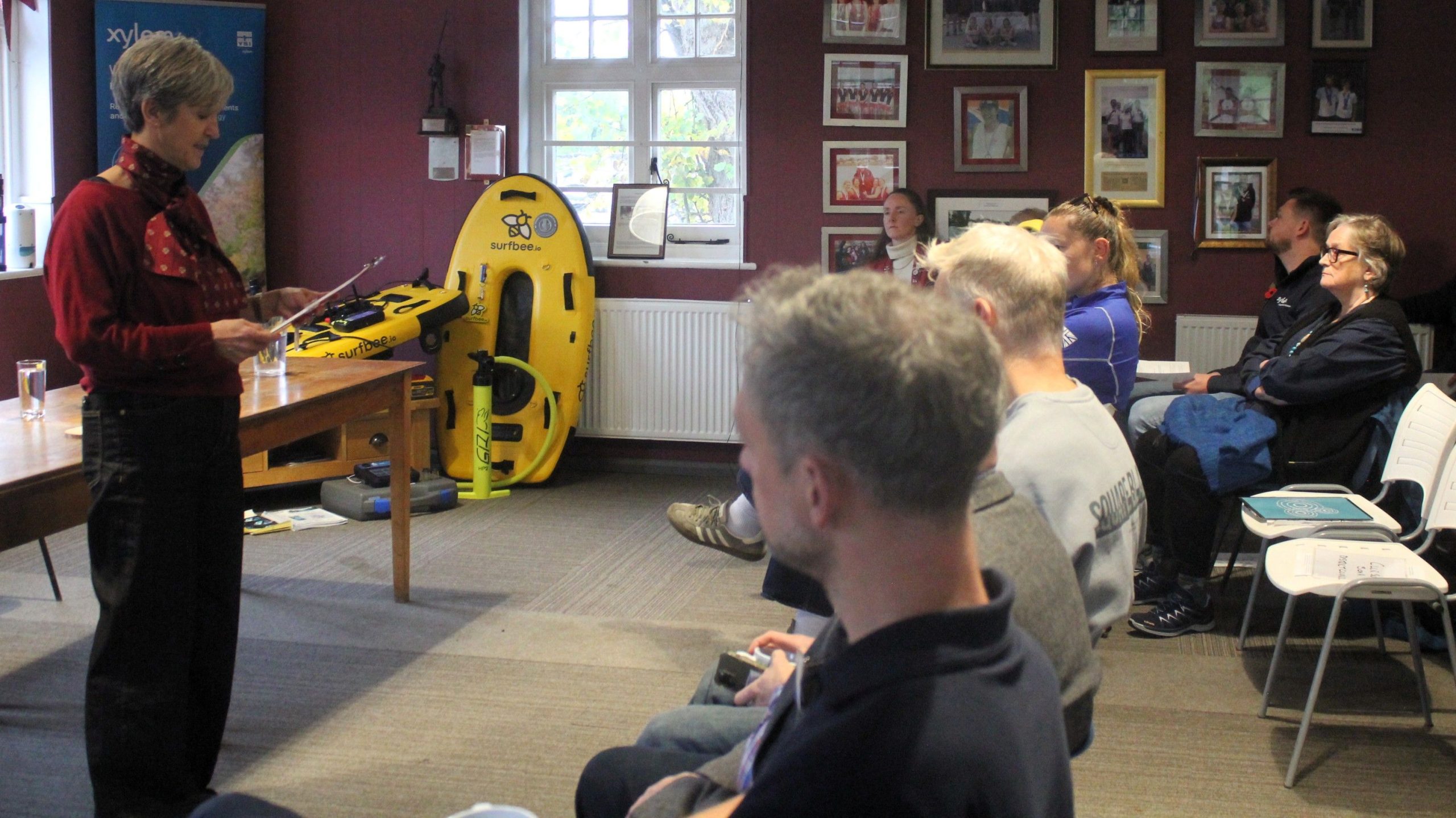
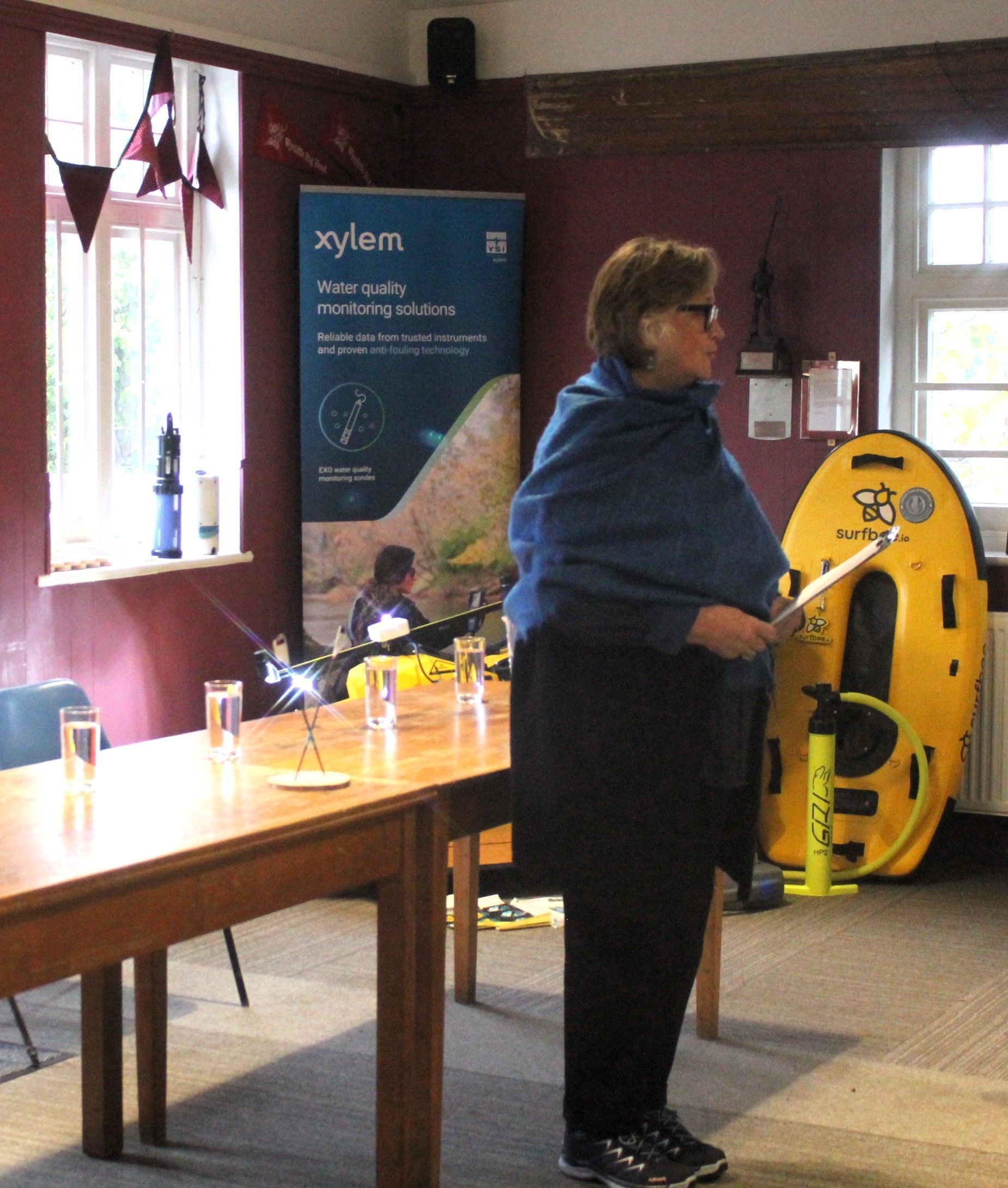
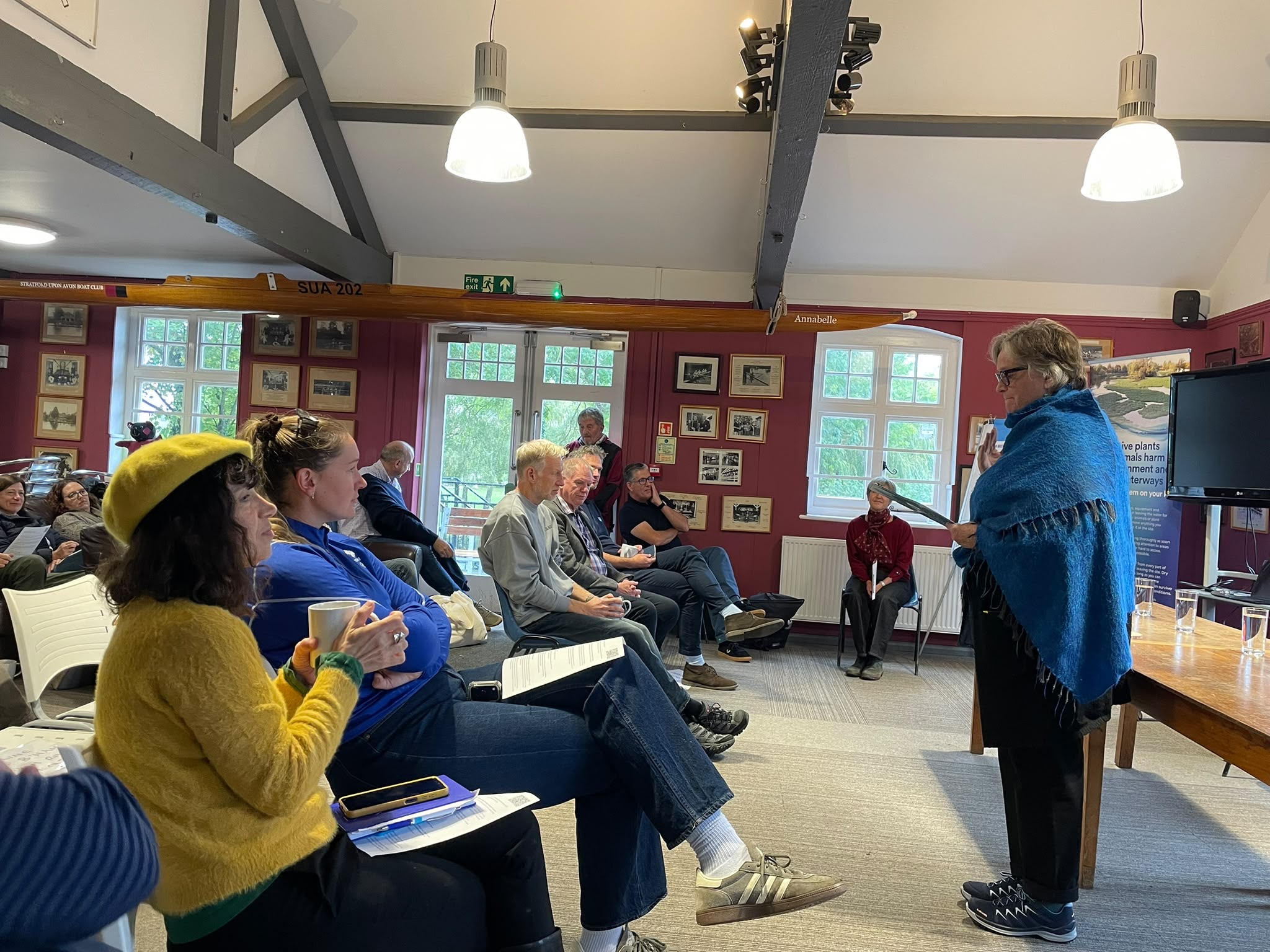
Mary Manandhar, convenor of River Hope and The Gathering: for Water and Nature, and a SafeAvon citizen scientist, read her prose poem ‘Water Speaks’. Mary highlighted that rivers are just one phase of Earth’s interconnected water cycle which has sustained all life for several billion years. Water asks humans to reflect on our values and behaviour and use heart-led imagination, alongside monitoring data and technology, to restore and protect waterbodies.
Stratford Boat Club will continue its water quality testing alongside SafeAvon, supported by a Thriving Waters grant from British Rowing. The Club will also seek meetings with Stratford on Avon District Council and Manuela Perteghella MP to discuss the recent findings and how local organisations can work together to improve conditions for recreational users.
Olympic rower Esme Booth OLY commented: “Our rivers aren’t good enough and I’ve seen that first-hand from years of rowing them. But I left this event hopeful. The momentum is building locally and now we have to keep it going until our rivers are healthy again.”
The Stratford Boat Club wants to strengthen collaboration with SafeAvon, Warwickshire Catchment Based Approach partners, river-based businesses, recreational sports, community groups and local authorities. The aim is to share evidence, investigate concerns and turn findings into meaningful improvements.

Eric Appleton, Chairman of Stratford upon Avon Boat Club, said, “From Mark Barrow’s underwater films to the latest monitoring technology, the forum showed how evidence can help us understand what is happening to this stretch of the Avon. Stratford Boat Club will step up the pace, continue our testing, seeking continuous monitoring at the Old Bathing Place and exploring further investigation using Surfbee.

But one club cannot do this alone. We call on local partners to work together, share data and turn evidence into action. We want a healthier Avon for wildlife and for everyone who values the river. Everyone who benefits from or values the river has a stake in its future. We must act as guardians of the river, speaking up for the wildlife that cannot speak for itself and safeguarding this precious resource for future generations. The Avon is a shared responsibility.”
Stratford Boat Club takes steps to becoming a more sustainable club, fit for the future

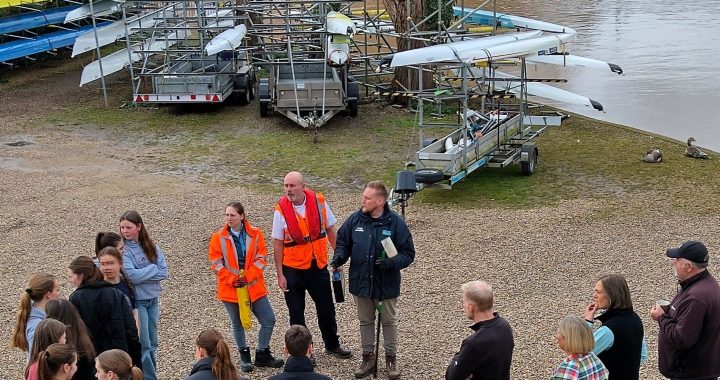
On Thursday 4 April, Stratford upon Avon Boat Club held a sustainability workshop for its junior members. Fifteen athletes from the under 13 to under 17 squads volunteered to take part in an interactive workshop led by coach and Masters rower Eric Appleton.

The workshop was organized and supported by a new Club sustainability working group, which includes Vice Chair Gina Fusco, Safeguarding Officer Lizzie Sartain, Co-Treasurer Jake Blatcher and Chris Belcher, Fun Regatta organiser of recent years.  Claudine Pearson, ordinary member and Rubbish Friend assisted with resources.

Over the course of the afternoon, the athletes worked in groups to answer a series of questions on sustainability, including “What does sustainability mean to you?” and “What are the consequences if we don’t act sustainably?”

Two short films were shown from the international and national rowing bodies.

World Rowing: World Rowing and WWF to partner until 2024 to improve global water quality

British Rowing: British Rowing launches Environmental Sustainability Strategy

The workshop took a brief outdoor break by the pontoon, where Severn Trent River Rangers demonstrated water testing for ammonia.  Too much ammonia can be toxic to fish and other aquatic life.  Sewage effluent from treatment works is a major source of ammonia in rivers, along with diffuse run-off from agriculture. (Source: WCS Group). Testing on the day was found to be extremely low.

Olivia Boertje, River Protection Lead, Severn Trent, said: “River Health is important, and we all have a responsibility to drive positive change to ensure the wellbeing of our present and future environment. As the effects of climate change intensify, we witness a surge in extreme weather events—a phenomenon that reverberates not only through our lives but also across our waterways. It was great to engage with passionate individuals actively participating in discussions around Sustainability and River Health. I look forward to seeing their passion drive forward improvements to help protect our rivers and encourage others to do the same.”

Luke McCusker, Senior River Ranger, Severn Trent, said, “Our teams are committed to improving the health and biodiversity of the region’s rivers and watercourses. We are out on the riverbank’s day in, day out, resolving problems, and working closely with the hundreds of amazing customers, groups, clubs and associations linked with them – such as Stratford upon Avon Boat Club. There are challenges across all sectors, river health is a complex mixture of lots of things, and sustainability is huge key part to help improving them, so we are really pleased to see all the positivity, engagement, and interactions from Stratford upon Avon Boat Club’s new youth Sustainability group, looking forward to working together in the future, great work all round!”

In the final section, the athletes discussed how their club could be more sustainable and suggested ideas for a more sustainable regatta. Suggestions to reduce the event’s carbon footprint included: encouraging lift shares, not purchasing single use plastic, sourcing local and homemade food, choosing to support local businesses, separating food waste collection, improving signage around waste and recycling, choosing recycled glass for prizes and selling reusable cups.

Concerns on waste and recycling were addressed. Local waste management company, Fortress, take mixed rubbish and sort on site. A visit to the materials recycling plant was proposed to the junior squad members by Dawson Curnock, Chairman who was also present for the day.

Dawson Curnock said: “Like everyone in the current climate, our Club is keen to ensure that its members and athletes have a clean and safe environment to perform the sport that they love so much on.

“We are all aware that there are external challenges that we cannot control as individuals or clubs. However, as custodians of our stretch of the River Avon, we can try to limit the impact that we have on it and its surroundings.

“Clearly, we, the current custodians, cannot control the ageing process.  It is therefore imperative we allow future custodians to lead the awareness, generate the initiatives and drive the process to cleaner rivers.

“Enthusiastic is an underestimation of the atmosphere generated by the workshop. Several of the initiatives can be implemented into our Junior Sprint Regatta on 15 June, which was agreed should be a starting point to showcase the great ideas from our younger members.”

To wrap up the session, a representative from British Rowing, Lily Fraser talked with the juniors about the importance of using communications to create dialogue with members and the wider community on the environment and to build momentum for change.

Lily Fraser, Head of Digital and Marketing , British Rowing, said, “With 90% of British Rowing members considering sustainability to be important, British Rowing is looking forward to working with grassroots clubs such as Stratford Boat Club, the rowing community and the nation as a whole to champion a cleaner, bluer future.”

The workshop concluded with networking over homemade cakes as junior squad members created a new Instagram account and reel to mark the day. Internships and work experience are sought after and students took the opportunity to make contacts.

Harriet Froom, J17 athlete said, “The workshop helped to explain how things can’t just happen straight away. Even though we may be a small Club, just doing our bit for the river or local environment, even though it may seem as if it has little impact, it does add up to something bigger when a lot of places do similar things.”

For media coverage, please see British Rowing https://www.britishrowing.org/2024/04/juniors-help-stratford-upon-avon-bc-become-fit-for-the-future